
Kidney health6 min read
Understanding chronic kidney disease
What the stages mean, how kidney function is measured, and which numbers your doctor watches over time.

Helping patients from Ghana connect with experienced kidney specialists and advanced treatment options in India, with support throughout the medical journey.
Six steps, in plain language. You will know what is happening at every stage, and nothing moves forward without your decision.
Swipe to see all six steps →

India has become a common destination for kidney treatment for practical reasons, not marketing ones. Here is what patients and families usually tell us matters most.
Nephrology and transplant teams in large Indian centres treat kidney disease as a daily routine, not an occasional case.
Dedicated transplant units, dialysis suites and diagnostic imaging under one roof, so care is not spread across cities.
Evaluations and consultations are usually scheduled within days of your reports being reviewed.
Costs are generally lower than in many other destinations. You receive an estimate from the hospital before you travel.
Consultations, reports and discharge summaries are in English, so nothing is lost between you and your doctor.
Hospitals run dedicated international desks for admissions, visas letters, interpreters and family accommodation.
Travelling for treatment is not the right choice for everyone. If your care is better managed at home, we will tell you that.
Every case is coordinated individually. If what you need is not listed here, ask us — we will tell you honestly whether we can help.
Tests and specialist review to establish whether a transplant is suitable for you, and what has to happen first.
Coordination of the surgery, hospital stay and post-operative care with the transplant team.
Help understanding donor eligibility, matching tests and the legal documentation involved.
Arranging haemodialysis sessions during your stay so treatment continues without a gap.
Specialist review of your stage, medication and diet, with a plan you can follow back home.
A written opinion from a nephrologist on a diagnosis or treatment plan you already have.
Consultation and treatment options for stones, including minimally invasive procedures.
Assessment of related urological conditions that affect kidney function or treatment planning.
Seahath Care exists to remove the logistics and uncertainty around treatment abroad. The medicine stays with the doctors. What we own is everything around it: the paperwork, the timing, the coordination and the questions no one else answers.
If we are not the right support for your situation, we will say so.
One coordinator holds your case from the first message to the last follow-up, so you never re-explain your history.
Medical visa documentation, flight timing around appointments, airport pickup and accommodation near the hospital.
You see the hospital's estimate and the doctor's opinion as they are. We do not add pressure or hidden charges.
A realistic schedule of tests, consultations and recovery time, so your family can plan around it.
Admissions, appointment sequencing and report collection handled with the hospital's international desk.
Questions answered before you commit, and help arranging follow-up reviews once you are back in Ghana.

Patients are connected with experienced specialists working in multidisciplinary kidney care teams — nephrology, transplant surgery, anaesthesia, dietetics and nursing in the same institution. Treatment decisions are made by those clinicians with you, based on your reports.
Hospital accreditations and specialist profiles are shared with you directly during your consultation, so you can verify them before making any decision.
Straight answers to the things that come up in almost every first conversation.
Large Indian hospitals run high-volume nephrology and transplant units, appointments are usually scheduled quickly, care is delivered in English and costs are generally lower than in many other destinations. Whether travelling is right for you depends on your stage of disease and what is available locally — that is one of the first things we discuss.
It depends entirely on the treatment. A consultation and evaluation visit is usually short, while a transplant involves a workup period, the procedure and a recovery and monitoring stay afterwards. Once a specialist has reviewed your reports, you will receive an indicative timeline from the hospital rather than a guess from us.
Yes, and many patients start there. You share your existing reports, a nephrologist reviews them, and you receive a written opinion. There is no obligation to travel or to continue with us afterwards.
Yes. We guide you through the medical visa process, tell you which documents are required, and coordinate the invitation letter from the hospital. The application itself is submitted by you, and approval is decided by the authorities.
Yes. A medical attendant visa is normally available for accompanying family members, and we help arrange accommodation close to the hospital for them.
To begin, recent kidney function tests such as creatinine and eGFR, any scan or biopsy reports, your dialysis records if applicable, a current medication list and your passport details. If something is missing, we will tell you exactly what to request from your doctor.
You return with a discharge summary, medication instructions and a follow-up schedule from the treating team. We stay reachable to help you understand those instructions and to arrange review consultations with your doctors in India when they are due.
What the stages mean, how kidney function is measured, and which numbers your doctor watches over time.
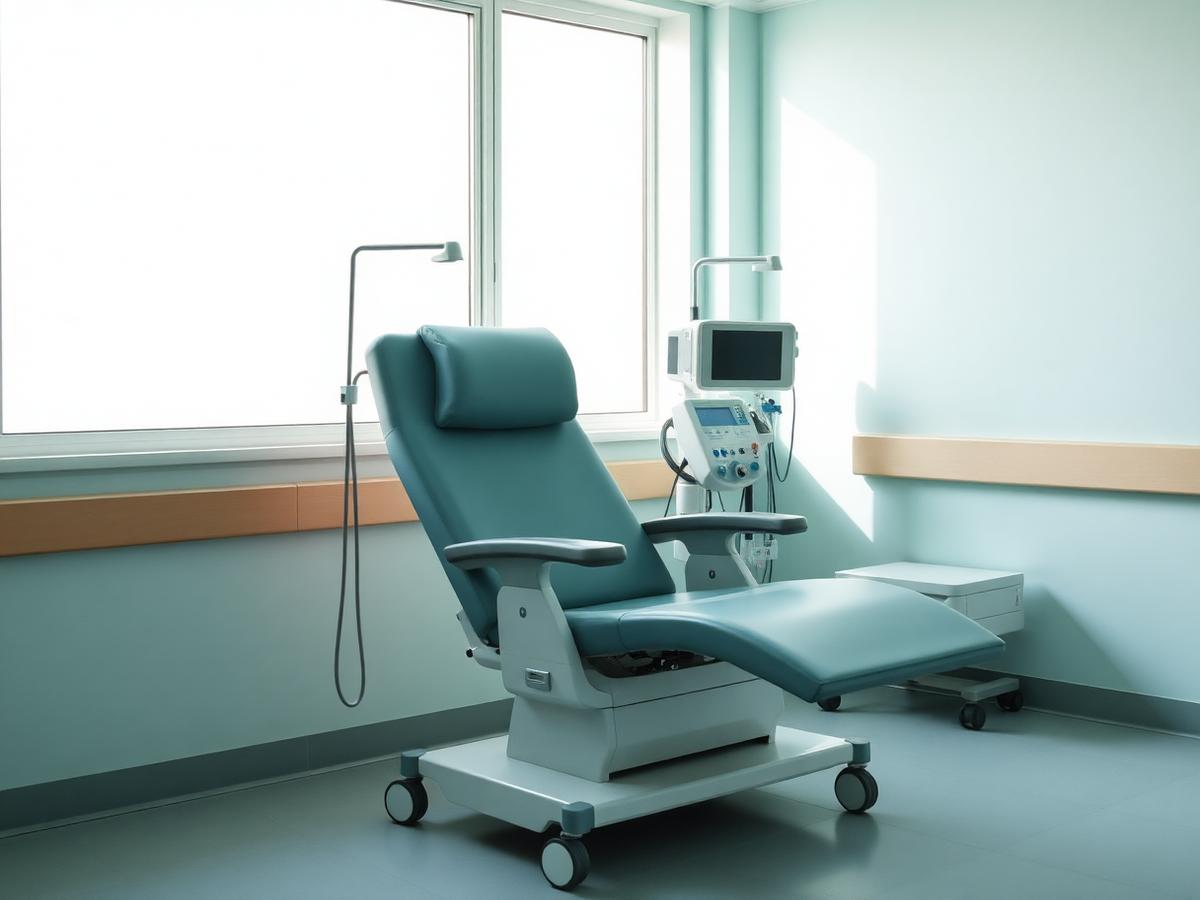
Two very different paths for advanced kidney disease — what each involves day to day, and the questions to ask.

Kidney disease is often quiet in its early stages. The symptoms and risk factors worth taking to a doctor.
Share your medical reports and we'll help you understand the next steps. No cost, no obligation, and no pressure to travel.